These composite tubes deliver a premium strength-to-mass balance, suited to rigorous uses where longevity and weight savings matter
Formed by impregnating carbon fiber reinforcements with a structural resin matrix, these tubes become lightweight composite elements
Carefully arranged carbon filaments contribute outstanding tensile performance and stiffness, with the light resin minimizing mass
Such a blend of characteristics lets engineers craft solutions that combine exceptional strength with reduced mass
The deployment of carbon fiber tubes ranges from aircraft and automobiles to sporting goods and medical apparatus
Aerospace use of carbon fiber tubes results in reduced airframe weight for fuselages and wings, raising fuel efficiency and performance
For the automotive sector, carbon fiber tubes support lighter suspension and chassis components that enhance driving dynamics and cut weight
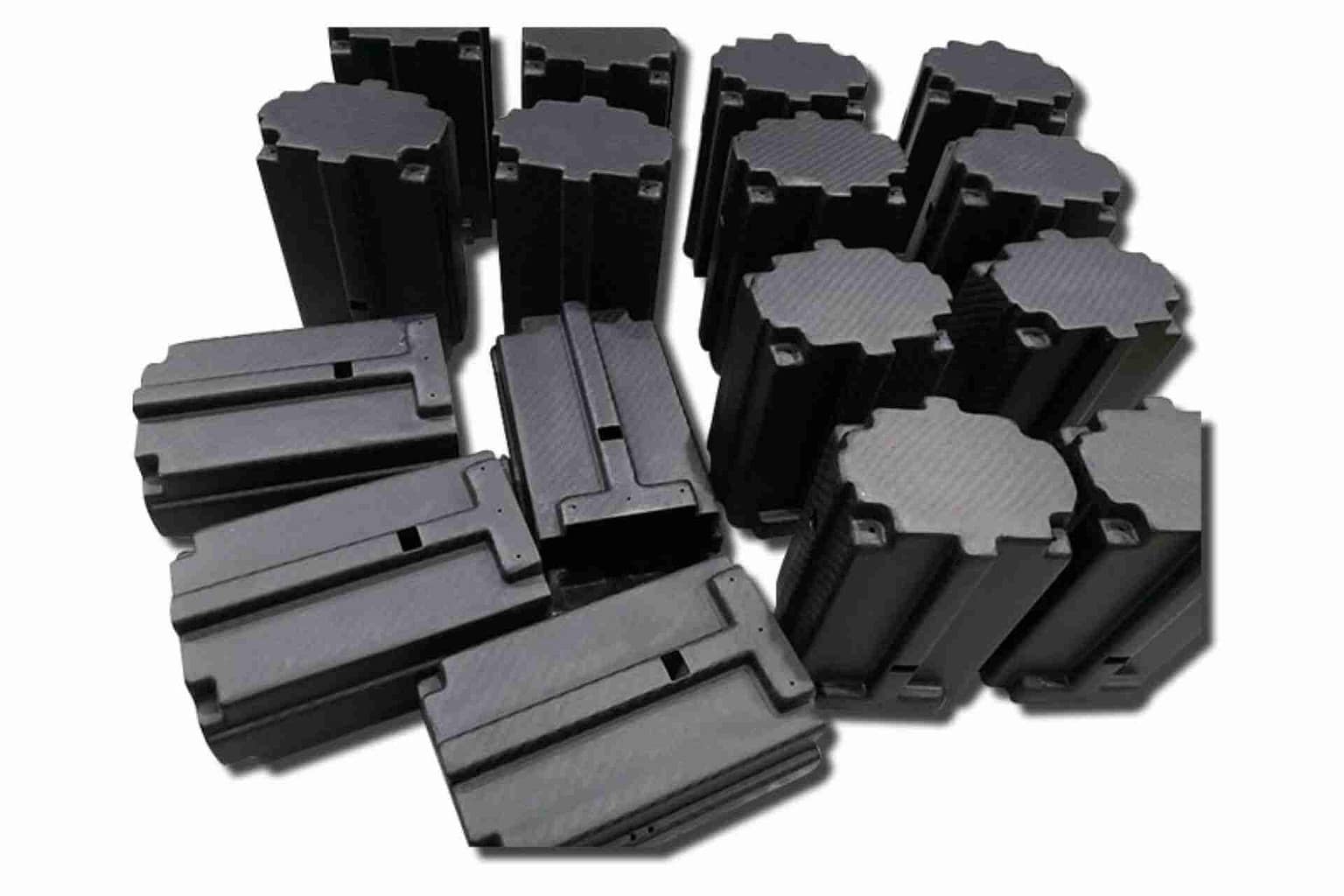
Square carbon fiber tubing delivering engineered dimensional accuracy and structural resilience
In modern engineering contexts where lightweight design and high structural performance are essential, carbon fiber square tubes have become a top choice
Precision-engineered square-section tubes offer superior mechanical performance while allowing flexible design implementations
Through meticulous fiber arrangement and resin infusion, square carbon fiber tubes achieve strong resistance to compressive and tensile loading
Their high rigidity makes square carbon fiber tubes appropriate for applications where dependable structural integrity is required
When integrated into aerospace components, chassis systems or elite sports products, square carbon fiber tubes ensure dependable performance under stress
Moreover, the low mass of these tubes aids in improving fuel consumption and optimizing system efficiency
- Furthermore, their dimensional accuracy makes integration into complex assemblies seamless and reduces costly adjustments during manufacturing
- Accordingly, these tubes have grown into essential materials for industries pursuing enhanced performance and operational efficiency
Rectangular carbon fiber tubing crafted to precise shapes for enhanced performance
Carbon fiber’s combination of high strength-to-mass ratio and stiffness renders it perfect for challenging engineering tasks
The unique geometry of rectangular and prismatic carbon fiber tubes enables superior structural and load-bearing performance
Rectangular tubes can be engineered to precise dimensions to secure required load-bearing capacity and structural integrity
Across aviation, athletic equipment and industrial machinery, producers can fabricate precisely engineered rectangular carbon fiber tubing to your needs
Flexible fabrication options encourage inventive solutions that maximize system performance and operational functionality
Carbon fiber plate solutions delivering exceptional stiffness and resistance to impact
Renowned stiffness of carbon fiber plates fits them to tasks needing high load support
Formed by embedding carbon fibers into a cured resin matrix, plates demonstrate excellent anti-bending and deformation properties
Impact durability results from the fibers’ energy-absorbing behavior, enabling plates to endure shocks without failing
Next-generation composite assemblies using carbon fiber tubes and plates for superior outcomes
In advanced material applications carbon fiber (CFRP) tubes and plates have become preferred choices due to outstanding mechanical advantages
Their lightweight yet robust nature suits diverse uses, from aerospace and automotive sectors to sporting and specialized consumer products
The ability to create complex geometries while keeping stiffness and reliability enables broader application of these composites
Production technology advances have made these composites more economical and scalable for diverse industries
Using carbon fiber composite parts results in stronger, lighter designs compared with many standard materials
Corrosion- and fatigue-resistant properties extend operational life and reliability for carbon fiber components in harsh environments
Exceptional composite characteristics are driving continuous innovation and impacting the future direction of engineering applications
Analyzing the applications and practical deployments of carbon fiber tubes and plates
Robust carbon fiber tubes and plates have earned widespread traction and recognition in a variety of sectors
A strong strength-to-weight profile combined with high mechanical performance enables many application possibilities
Commonly applied within aerospace, automotive and construction, they serve as structural components demanding reliable strength and durability
Athletic equipment makers use carbon fiber tubes and plates in bikes, clubs and racquets to boost performance through reduced weight and higher stiffness
Furthermore these composites are gaining traction in medical fields for prosthetics, surgical tools and assistive devices
Carbon fiber solutions for lightweighting: tubes, plates and beyond
Through carbon fiber integration, industries achieve large reductions in weight while still meeting stiffness and strength demands
Examples of tube uses include bicycle frames and wind turbine blades where high stiffness at low weight is essential
For aircraft and spacecraft structural components, plates provide robustness and stiffness needed under load and environmental challenge
Innovative material technologies extending what carbon fiber can achieve
Recognized in materials science for exceptional strength, carbon fiber is a transformative material
The material’s properties come from thin carbon filaments bound in a polymer resin, producing a lightweight yet strong composite
Growing aerospace and automotive use reflects the benefits of reduced mass for fuel economy and vehicle/aircraft performance
In automotive design, carbon fiber reduces component weight and increases strength, which supports better handling and safety outcomes
From aerospace to automotive: carbon fiber structures’ broad versatility
Through excellent strength-to-weight properties, carbon fiber composites have transformed aerospace and automotive design
By reducing mass, these materials support high-performance, fuel-efficient and durable vehicle and aircraft designs
In automotive applications carbon fiber integrates into body panels, chassis parts and sometimes full structural frames to lower weight and boost performance
Carbon fiber plate and tube technology is continually pushing engineering frontiers
The exceptional strength-to-weight of these components has led to transformative applications across sectors
Carbon fiber’s lightweight robustness makes it applicable in critical performance areas including aerospace, automotive and medical uses
In aircraft applications, carbon fiber parts help reduce fuel needs and enhance aerodynamics
Likewise in vehicles, carbon fiber reduces weight to improve speed, handling and energy efficiency
- Effective use depends on understanding the material’s behavior, manufacturing limits and design trade-offs Effective use depends on understanding the material’s behavior, manufacturing limits and design trade-offs Effective deployment calls for a clear grasp of the material’s behavior, how it is fabricated, and the carbon fiber sheets design trade-offs required To harness carbon fiber well you must grasp its mechanical behavior, production constraints and relevant design trade-offs
- Carbon fiber tubes and plates are set for ongoing growth and broader application across sectors
- Continued technological progress will improve their properties and broaden applicability across industries
- Hence, carbon fiber composites are set to become central to future engineering and manufacturing solutions
Step-by-step guide to achieving peak results with carbon fiber components
Its notable strength-per-weight and stiffness traits position carbon fiber as a leading material to drive performance improvements
An overview of carbon fiber attributes, uses and practical integration methods to enable successful application
Across automotive, aerospace, sporting and electronic applications, carbon fiber’s versatility enhances performance outcomes
Effective use depends on understanding the material’s behavior, manufacturing limits and design trade-offs
Case studies illustrating successful carbon fiber implementations across sectors.
Comments on “Aiming to enhance safety through better materials carbon fiber tubes designed for precision camera rigs?”